OFFSYSTEM
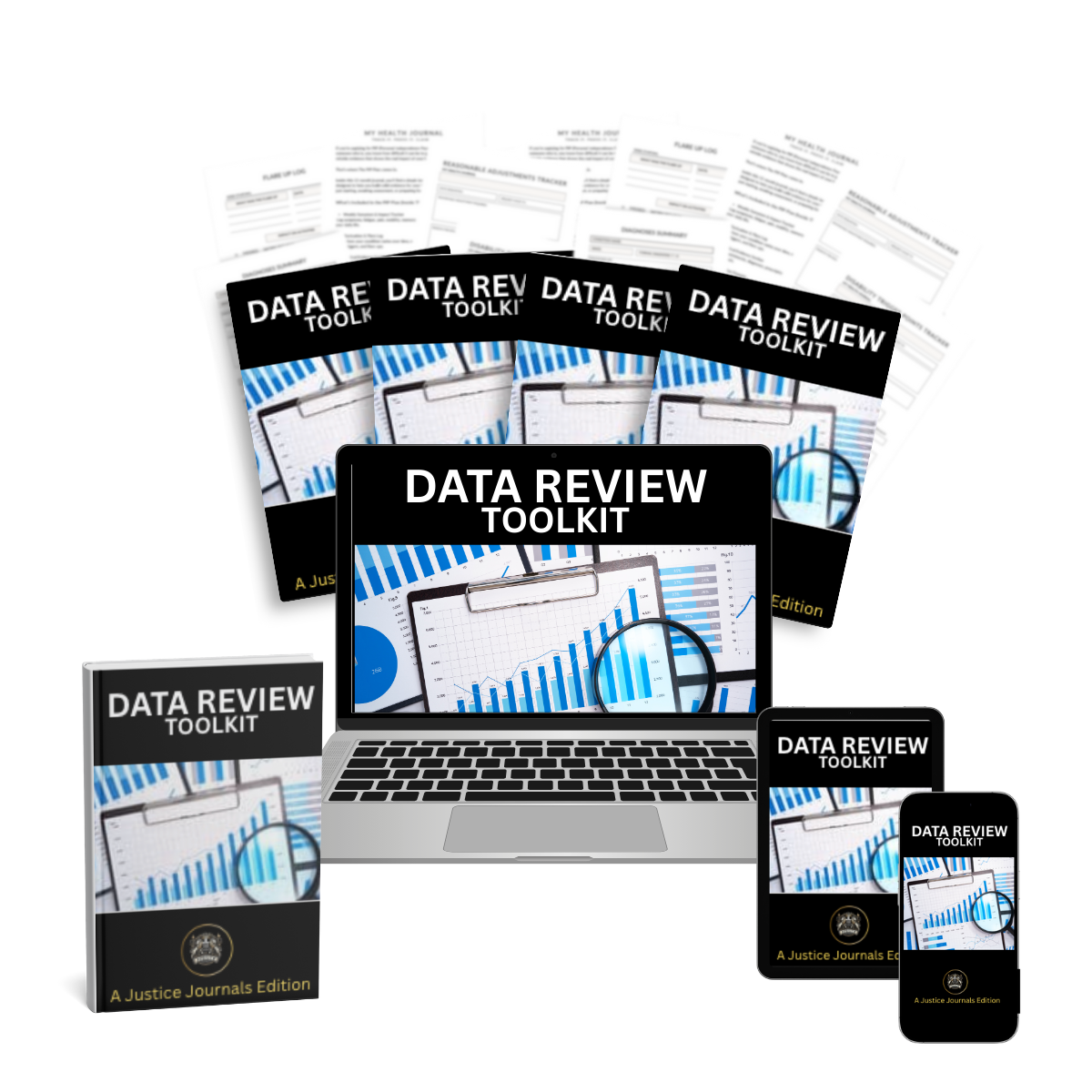
The DATA Review Toolkit
The DATA Review Toolkit
Couldn't load pickup availability
The Data Review Toolkit is a practical self-help resource designed to help you respond calmly, correctly, and in writing when a public body asks for personal or financial information that feels excessive, intrusive, unclear, or disproportionate.
It does not tell you to refuse cooperation. Instead, it helps you ask the right questions, request clarification, seek reasonable adjustments, challenge unnecessary overreach, and keep a clear written record of how your data is being requested, used, and stored.
This is especially important where you are asked for bank statements, questioned about transactions, given short deadlines, or threatened with suspension or closure for not providing evidence.
DWP’s new Eligibility Verification Notice powers do not allow banks to share full transaction information with DWP under that EVN process. The official EVN Code of Practice says financial institutions are prohibited from sharing transaction information in response to an EVN.
However, that is different from a claimant being asked directly to provide bank statements during a Universal Credit review, where GOV.UK says statements should be provided without changes or edits.
Who this toolkit is for
This toolkit is suitable if you:
-
have been asked to provide unredacted bank statements
-
are being questioned about individual transactions or spending
-
have been given rigid deadlines despite disability or ill health
-
want to challenge the scope of a data request, not refuse cooperation
-
want a clear written record of how your data is being handled
What’s included
This toolkit contains a pack of eight professionally structured letters and documents designed to be used at different stages of a data review process, alongside a short written guide and a compliance tracking document. Including claim closures or threats of claim closures for not providing evidence.
Each letter is intended to help you:
-
raise concerns formally and in writing
-
respond proportionately to data requests
-
protect your privacy while remaining cooperative
-
create a clear compliance record
The letters are used sequentially, depending on how the review progresses.
Before you checkout make sure you SUBSCRIBE by checking the subscribe to emails and marketing here is WHY!
📩 You Get early access, tips and exclusive offers — subscribe to our email list and stay in the loop. If you are not subscribed, you will not get my private videos, discount drops or anything else!
One Data Tracker Printable
One 13 Page Guide On how to use This toolkit along with
"What Not to Say” Compliance Guidance
The toolkit also includes guidance on what not to say during a review, designed to help you avoid unintentionally widening the scope of data requests or creating unnecessary scrutiny.
This section explains, in plain language:
-
why volunteering additional information can escalate a review
-
why you should avoid volunteering unnecessary explanations about personal spending, while still answering relevant questions factually where they relate to income, capital, entitlement, or a lawful review.
-
why discussing third-party transactions (family, friends, carers) can raise separate data protection issues
-
how to respond neutrally to questions about account types (for example, personal or business use) without providing unnecessary detail
-
why providing explanations “to be helpful” can sometimes create new lines of inquiry
Rather than scripting exact responses, this guidance focuses on principles of proportionality, relevance, and data minimisation, helping you understand how to keep responses factual, limited, and appropriate while continuing to cooperate with the review.
Important clarification
This guidance does not tell you to refuse questions or withhold information.
It explains how to avoid oversharing, protect third-party data, and keep responses aligned with what is relevant to a data review.
This toolkit does not tell you to refuse to provide bank statements or evidence. Some review processes, including Universal Credit claim reviews, may require bank statements to be provided without edits or changes. This toolkit is designed to help you respond in writing, ask for clarification, request reasonable adjustments or extra time, challenge excessive or unclear requests, and create a record of how your personal data is being requested and handled.
What this toolkit does NOT do
This toolkit does not advise you to ignore DWP, refuse evidence, alter bank statements, remove transactions, or withhold information that has been lawfully requested and is relevant to a benefit review, compliance check, revision, supersession, or fraud investigation.
It helps you ask clear questions about the formal basis, timeframe, relevance, proportionality, data handling, third-party privacy, disability-related needs, and reasonable adjustments.
Disclaimer
This toolkit provides general information, template documents, and educational guidance only. It does not constitute legal advice, legal representation, or a substitute for advice from a qualified legal professional. No solicitor–client relationship is created by the use of this product. Users are responsible for deciding how and when to use the materials and for ensuring that any action taken is appropriate to their individual circumstances. If you require advice specific to your situation, you should seek independent legal advice.
Share